



 |
 |

Add: No.8 1st Street, East Zone, Tangbiantou Village, Zhushan Town, Dongcheng District, Dongguan City Tel: 0769-22668943/22297919 0769-22665770 Contact: Mr. Ling/13925885483 Website: www.wanshangd.com E-mail: gdwanshan@vip.163.com |

The "internal competition" era of hardcover books: Observations on the domestic hardcover book industry in 2026
By the middle of 2026, the domestic hardcover book industry, under the triple pressure of cost, consumer differentiation, and technological transformation, presented an intriguing picture. From the concentrated display of 220,000 high-quality books at the Beijing International Book Fair to the periodic surge of hardcover orders during graduation season; from the rapid development of the special-edition book market to the quality upgrade of sewn binding craftsmanship from "availability" to "quality" - hardcover books are evolving from being synonymous with "hard cover" to a contest about craftsmanship transparency and material ethics. The industry trend is shifting from "how to make it cheaper" to "how to make it more durable".
1. Market Overview: Parallel Expansion in Scale and Polarization
From macroeconomic data, China's hardcover book production sector is advancing towards a high-quality stage at a compound annual growth rate of 6.5%. It is projected that the market size will surpass 25 billion yuan by 2030. However, this growth is not inclusive—the hardcover book market is experiencing profound polarization. On one end is the "cost squeeze" of mass-market hardcovers: paper costs have soared over the past three years. According to the China Paper Association, the average price of double-sided offset paper reached 6,800 yuan/ton in 2024, marking a 37% increase from 2021. The paper cost for a 300-page paperback has risen from 4-5 yuan to 7-8 yuan, highlighting the pressure on material costs for hardcovers. On the other end, there's a "premium frenzy" for high-end hardcovers and special-edition books—an ordinary hardcover selling for 59 yuan goes unnoticed, but with a gold foil cover, colored edges, and a price tag of 128 yuan, it sells out instantly. The cost of the spray painting and edge brushing process is about 3-5 yuan, but the price can easily double or even triple. This "K-shaped differentiation" is reshaping the profit structure and production logic of the entire industry.
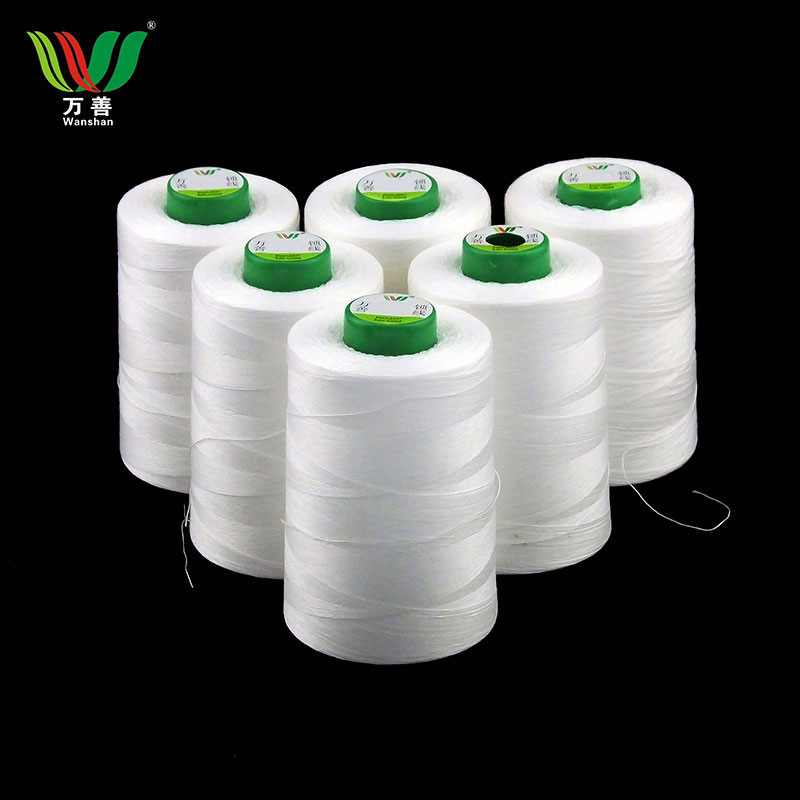
II. Technological Breakthroughs: From Material Innovation to Intelligent Production
In 2026, the technological changes in the field of hardcover book production were particularly remarkable. In terms of materials, a new generation of environmentally friendly "four-proof" binding fabric was developed through nanocoating technology. This fabric forms a composite protective layer on the fabric surface that is fireproof, pest-resistant, mold-resistant, and acid-resistant, extending the preservation life of cultural classics to over a hundred years. Research has successfully developed an environmentally friendly "four-proof" durable collection binding fabric. By optimizing the processing solution, the fabric was modified to increase its mechanical strength and have less color change, with a weak alkaline nature.
In the field of book spine reinforcement, the innovation of paper base gauze is particularly remarkable - by blending high-strength polyester fibers with plant fibers in a 3:7 ratio, the newly developed reinforcement material not only maintains the natural texture but also increases the tear resistance by 300%. The automation transformation of the binding process is the most prominent technological breakthrough in recent years: traditional manual binding requires over 30 steps, while the new generation of intelligent binding machines achieve precise alignment of 0.1mm through machine vision positioning and servo motor control. It is worth noting that the popularization of the bare spine binding process enables books to be laid flat for reading at 180 degrees, and the display effect of cross-page images is improved by 50%, which has sparked a consumption boom in the children's picture book sector.
At the production end, leading enterprises have completed the comprehensive upgrade of intelligent finishing production lines. Some production bases have achieved an intelligent AGV connection from the book binding process to the finishing equipment, forming a complete process from the binding of the raw core, brushing glue, drying, casing, slotting and shaping to packaging. The domestic digital book core forming production line has also been officially integrated with the digital printing production system, jointly creating a flexible printing production chain for books.
III. Process Details: From Implicit Costs to Explicit Value
The most profound changes in the domestic hardcover industry in 2026 occurred in the structural details that had long been overlooked. The choice of binding cloth was no longer limited to ordinary coated paper; fabrics with unique textures and tactile qualities became the mainstream - ranging from natural long-staple cotton to environmentally friendly recycled synthetic fibers. The binding cloth not only provides visual depth but also ensures that books can withstand the test of time due to its wear-resistant and corrosion-resistant properties. At the spine ends, the headcloth (also known as the book headcloth or flower headcloth) has undergone a transformation from "optional decoration" to "credit symbol" - collectors' readers start to use magnifying glasses to observe the weaving density and material of the headcloth. The dense cotton tape made of high-density fabric has a compact cross-section with no obvious fringes, effectively preventing the spine from cracking due to frequent insertion and removal. The paper base gauze, as the core reinforcing layer connecting the book core and the cover, has seen a quality classification - more than half of the products in the low-priced hardcover category completely omit the gauze layer, while high-end products have restored the "gauze + kraft paper" double-layer composite structure. Meanwhile, the saddle stitching process. At the same time, consumers' understanding of the hardcover craftsmanship is moving beyond the primary stage of "whether to use saddle stitching" and entering the specialized inquiry of "saddle stitching density and thread material". The simple detection method of pressing the groove on the spine to determine the presence or absence of the gauze layer has rapidly spread in the reading community. A number of independent publishing institutions even use "visible headcloth material" as a commitment label for the hardcover grade. This "process awakening" is forcing publishers to make the implicit parameters explicit and driving the industry from "visual luxury" to "structural honesty".
V. Outlook: The "Structural Elegance" of Hardcover Books
Overall, in 2026, the domestic hardcover book industry is at a turning point from "scale benefits" to "structural benefits". The combined effect of cost pressure and consumption upgrading is pushing hardcover books from being "reading tools" to "cultural assets that can be displayed, collected, and socialized". Those manufacturers and designers who truly focus on every stitch of the binding thread, every layer of the paper base fabric, every fiber of the binding cloth, every fold of the kraft paper and crepe paper, and every inch of the touch sensation of the binding cloth, will gain the trust vote of readers in this battle for existing market share. The future of hardcover books does not lie in thicker paperboards or more eye-catching gold stamping, but in what is folded deep within the spine of the book - the dignity of structure.

| Dongguan Wanshan Printing Materials Co., Ltd. All rights reserved @ Copyright 2012 【website management】 Add: No.8 1st Street, East Zone, Tangbiantou Village, Zhushan Town, Dongcheng District, Dongguan City Tel: 0769-22668943/22297919 Please do not hesitate to notify us if there is infringement, and we will delete the relevant information within 24h. |
Telephone
13925885483
15338393535
18027000843
18046910119
18046910129
13728331056
13729995124
18027000845
18046910129

WeChat QR code
official account

official account QR code
Small program

Small program QR code